Practice writing upper case G by printing out this page. When you are done put it in your Yellow Book. (Use the handwriting work sheet maker for free worksheets. I would suggest that you put FIVE letters with TWO spaces in between each letter to make an evenly spaced worksheet. You can experiment with this worksheet program to fit your own preference. Be sure to put handwriting work with the rest of the Yellow Book exercises for record keeping. )
Watch this video about Pygmy Goats that people keep as pets. Describe what the goats eat, where do they live, what do they like to do?
Practice writing lower case f by printing out this page. When you are done put it in your Yellow Book. (Use the handwriting work sheet maker for free worksheets. I would suggest that you put FIVE letters with TWO spaces in between each letter to make an evenly spaced worksheet. You can experiment with this worksheet program to fit your own preference. Be sure to put handwriting work with the rest of the Yellow Book exercises for record keeping. )
F is for feathers. Look at these pictures of different feathers.
Practice writing upper case F by printing out this page. When you are done put it in your Yellow Book. (Use the handwriting work sheet maker for free worksheets. I would suggest that you put FIVE letters with TWO spaces in between each letter to make an evenly spaced worksheet. You can experiment with this worksheet program to fit your own preference. Be sure to put handwriting work with the rest of the Yellow Book exercises for record keeping. )
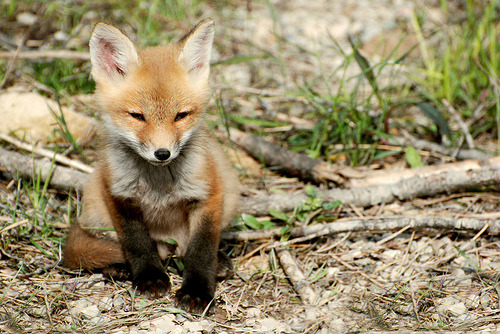
F is for Fox!
Watch this fox video. Describe what the fox is doing.
Foxes live in dens; it’s like a little cave that they dig. This is the outside of a den. They sleep in the den like this. In your Yellow Book draw a den under the tree. Put things in the den that a fox would like. Act out the story with these fox puppets. Make the story about foxes digging a den. Tell someone the story. Anything can happen in the story that you would like, it’s your creation!
Green Unit Social Studies/ Computer Skills / Social and Community Interaction / Art
Day 1
Now it is time to decorate the front page of your Green Book. On the front page draw your dream garden. Does your garden have flowers? Does food grow in your garden? Are there any animals that live in your garden?
(During the drawing activity discuss locations in your community like gardens. Talk about public gardens in parks, and private gardens in homes. Social studies was also covered in the math portion of today’s lessons, when discussing the feeling of a character in a game.)
Day 2
Why do you think people and things have different names? What are the names of the members of your family? Do you have a first name, a middle name, and a last name?
Day 3
Listen to Kermit the Frog sing this silly song called “It’s Not Easy Being Green”. In the beginning of the song how did Kermit feel about being green? Did his feelings change by the end of the song? How did he feel at the end?
Day 4
In the math section today the student will be walking around the home and finding shapes in their environment. This links the home environment to what they are learning in the school setting.
Day 5
-Break Day for Social Studies-
(Sometimes when introducing larger core Math and Language Arts topics, we take a brief break from Science and Social Studies until the core subject is done being introduced. We are taking a break to focus on learning about shapes.)
Day 6
Every country has a flag. Do you know about the flag in your country? Have an adult help you find the flag from your country (and state, if you live in the USA). What do the colors on the flag mean? Are there any pictures on your country’s flag? When was your flag made? Has your country had other flags? (Adults: this wiki page is a good point to start research. Help your kindergartener by showing them how you found the information. This is a good practice with safe research skills. If you live in the US this could be a good time to go over the Pledge of Allegiance.)
In your Green Book there is a blank flag for you to color. Imagine that you have your own country and it’s your job to design the flag. What would it look like? Follow the instructions in your book.
Discuss community areas like zoos. Is there a zoo close by to you? Look up zoos close to your area on the internet. You can discuss with the student how far each zoo is from your home, and how each one is different. Check to see if they have giraffes.
Day 8
It’s time for an art project. Today you will be making skyscrapers and cars out of paper. You will need; 1 big piece of paper, some small pieces of colored paper (these can be scraps), glue, scissors, and buttons (optional). Go to this website to see pictures of skyscrapers and for a guide on how to do the art project. Are there skyscrapers where you live?
Now it’s time to build your own neighborhood. What kind of neighborhood did you build? What was in it? Play the Build a Neighborhood game.
Day 9
Watch this video about a sheep and his very special friend. You’ll probably be surprised! Can you guess from this video what animal we will be talking about tomorrow?
Day 10
-Break Day for Social Studies-
Day 11
Today you will be going on a virtual field trip to Italy! Italy is on the continent of Europe. It has many famous cities like Milan, Florence, Rome, and Venice. But, today you will be exploring Venice.
Here is a video about Buster the Bunny exploring Venice. It’s from a show called “Postcards from Buster”. Answer these questions after watching the video… What country is Venice in? How do people get around in Venice? What are the special masks for?
Day 12
-Social Studies Break-
Day 13
-Social Studies Break-
Day 14
Today we will be learning about a bug that is very active at night. The lightening bug! Do lightening bugs live where you live? Sometimes people call them fireflies. What do you call them? Why do you think some people use different words for the same thing in different areas?
Day 15
What street do you live on? What are some names of the streets around you? Why do you think streets have different names?
Learn the word “ant” in American Sign Language. Explain to your child why some people use sign language to communicate. What are different ways that people can communicate?
Listen to the nursery rhyme “Five Little Ducks”. Here are some five little ducks puppets. Sing the song and act it out with your new puppets. Share this song with someone. What should the little ducks have done when their mother called for them?
Day 26
Do you think you could take care of a dog? Play this game and summarize what happens in the game like you summarize your stories. What happened first, what happened second, what happened third?
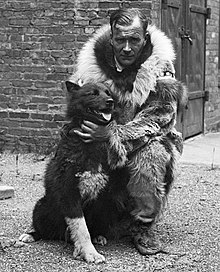
Listen to the story of Balto the sled dog. What is a serum? What is a dog sled? This is a picture of the real Balto. If you ever go to Central Park in New York City there is statue of Balto there. Did the artist do a good job; do you think it looks like Balto?
Day 27
Meet a bald eagle named Liberty that lives at the same zoo as our class pets! Why do you think the bald eagle is named Liberty?
Day 28
Check out the special job this electric eel has in Japan.
Day 29 and Day 30 are review days. Refer to those pages for reviews.
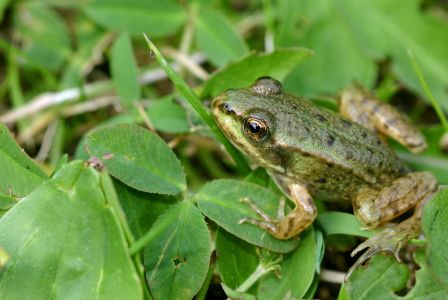
Remember how you played a frog game yesterday? Today we will be doing more learning with frogs. Watch this video about frogs. What do frogs do to say, “Don’t eat me!”? What helps frogs climb up things well? Do you remember the word for what frogs do to help them blend in to the things around them and hide?
Day 3
This is the last day that we will be learning about frogs. Frogs start out in soft jelly-like eggs. Baby frogs look like little fish, and they are called tadpoles. These little tadpoles start to grow legs. Then they grow up to be frogs. Play this game about the life of a frog to see how they grow.
Day 4
Science today is completed by observing the world around you and finding shapes in real life. You can discuss with your student what observation means, and why that is important in science.
Day 5
-Break Day for Science-
(Sometimes when introducing larger core Math and Language Arts topics, we take a brief break from Science and Social Studies until the core subject is done being introduced. We are taking a break to focus on learning about shapes.)
Day 6
Discuss observation again when looking at the flags. Have the children observe different types of flags, and ask them to make an educated guess on why the flags are different in each country. What might the different flags mean?
Day 7
We get to meet the kindergarten class pets today. They are a family of giraffes that live at the Houston Zoo. Have someone read to you about them here. The great thing about the zoo that our class giraffes live at is that they have a webcam in the giraffe home. This means that you can watch your giraffes live anytime you want! They won’t always be in their pin (they have to sleep just like us) but when they are outside you will see them on this webcam. Sometimes you will need to check on our class giraffes and describe what they’re doing. Can you do that right now? Are the giraffes out? How many of them are out right now? What are they doing?
A few years ago one of our class giraffes was born. Watch this video of him when he was only one day old. Isn’t it funny that he’s already taller than the zookeeper and he’s just a baby? What was the giraffe acting like? If it was your job to name the baby giraffe what would you name him?
Here is another video of one of our class giraffes at the Houston Zoo trying to reach some leaves. Is his tongue short or long? What color is his tongue? What kind of food is he reaching for? What does this tell us about what grown-up giraffes eat?
What do you think about our Kindergarten class pets?
Day 8
Watch this video about some men that have a really scary job, cleaning the windows on the tallest building in the world! How did they keep from falling? Do you think you could do what they do? What’s the tallest building you’ve ever seen?
Day 9
Baby sheep are called lambs. Watch this video about a little lamb that was just born on this farm. Are baby lambs fast or slow? When do they start walking? What else did you learn about lambs?
Day 10
Today we will be talking about elephants! With an adult go through this National Geographic page about African elephants. Read the facts, look at the pictures, listen to the audio clips, and watch the video of the baby elephant. Describe what you learned about elephants. What is your favorite thing about them?
Day 11
In your Green Book color the Murano Glass vase. Decorate it with your favorite colors. Explain to someone how they made the glass in Murano.
Day 12
Have you ever heard the word “nocturnal”? Nocturnal animals stay awake at night and sleep during the day, the opposite of humans! For the next three days we will be learning about nocturnal animals.
Watch this animation on the life cycle of an apple. How does an apple become an apple tree?
Day 20
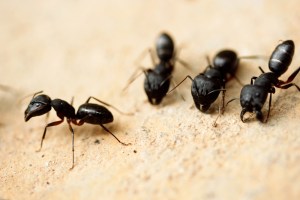
Today we are learning about ants. Watch this video about ants.
Day 21
Learn about bears! What do brown bears eat? Do brown bears live where you live?
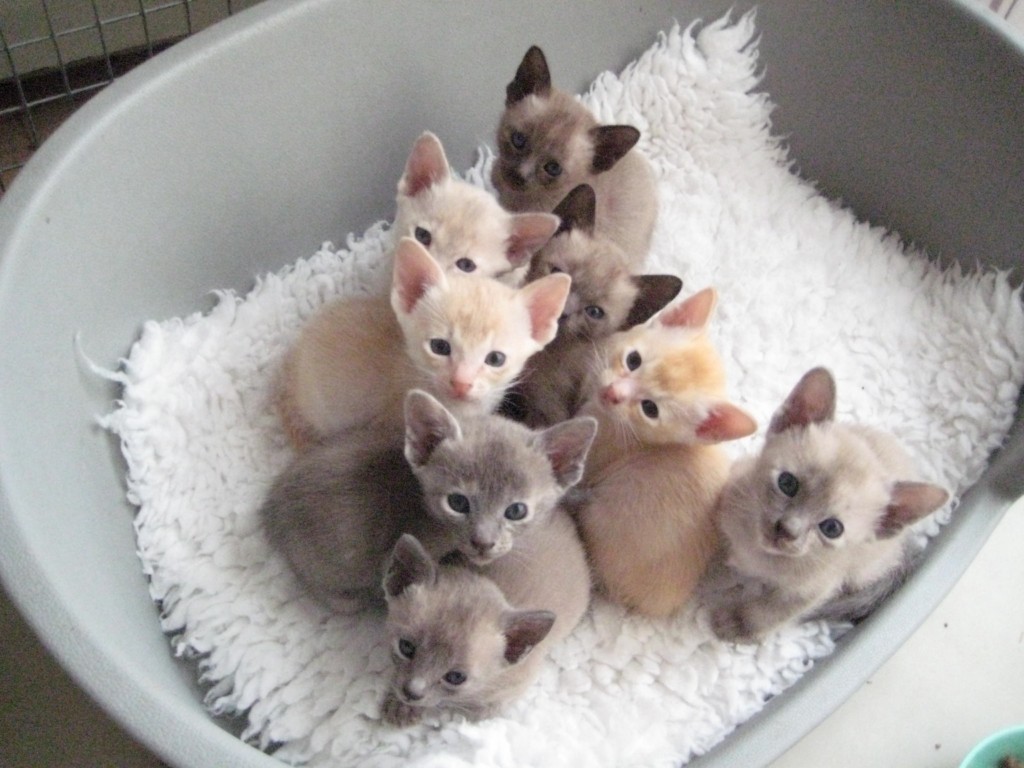
There are many types of bears. Look at these pictures of bears.
Day 22
Here is a hot air balloon racing game. Notice that the hot air makes the balloon go higher, and letting the hot air out with the air vent makes it go lower. Hot air from a flame is how hot air balloons fly.
Day 23
This is a Siamese Crocodile jigsaw puzzle. Practice your problem solving skills.
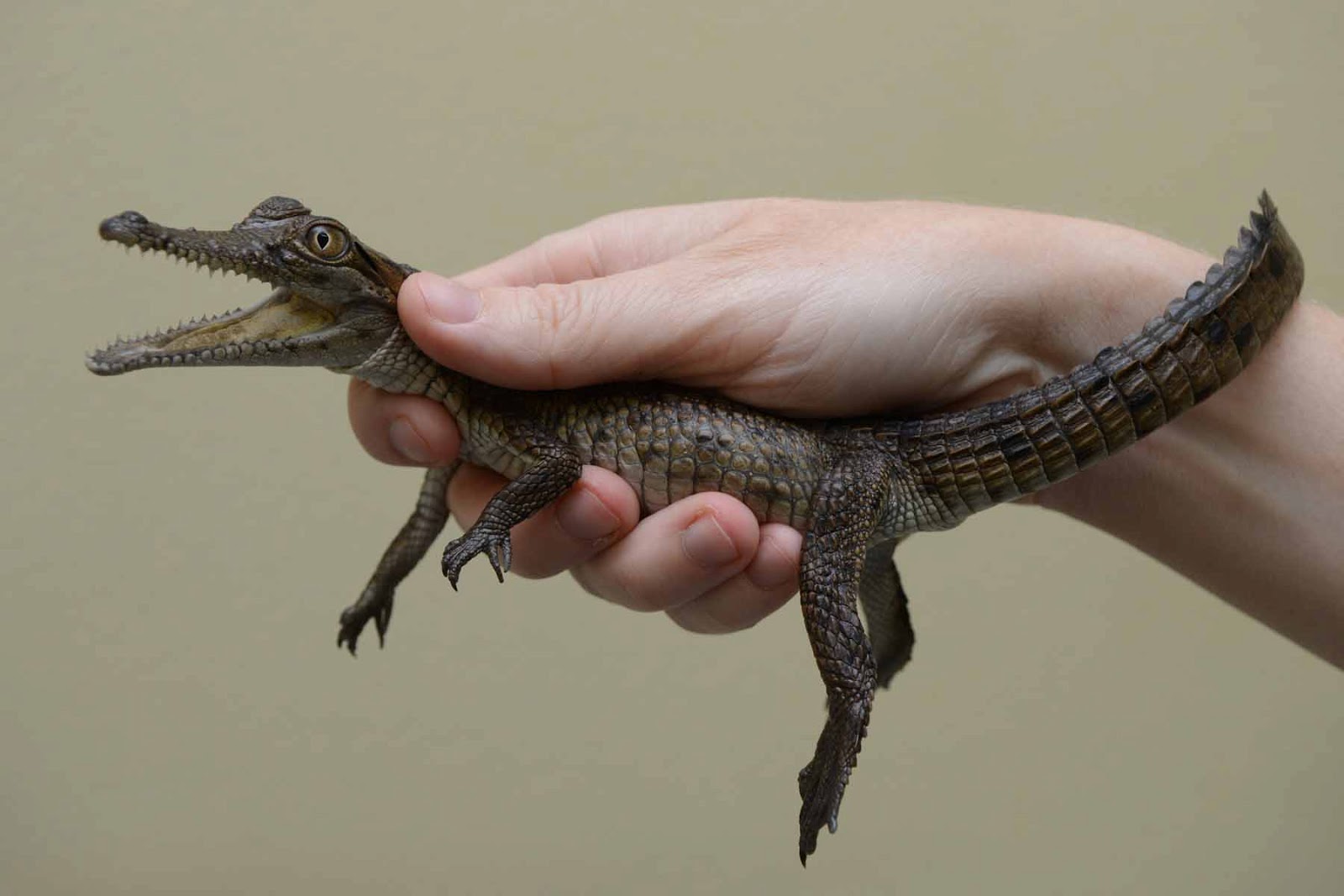
Look at this picture of a baby crocodile. Are you surprised by how small they are?
Day 24
Watch this video about what is different, and what is the same, between little cats and big cats. What are some things that little cats and big cats do that are the same?
Look at this picture of different kinds of cats.
Day 25
Ducks lay eggs like chickens do. Look at how similar duck and chicken eggs are. Which egg on the chart is the biggest? Which is the smallest?
There are many types of ducks. What are the colors of the different duck’s feathers?
Day 26
Watch this silly song about 20 different kinds of dogs.
Day 27
Read this page and look at the pictures of bald eagles. Are bald eagles really bald? What do they eat? How many eggs do they lay?
Look at this picture of the size of bald eagle eggs. Are they bigger or smaller than the eggs you get at the grocery store? Here is a picture of eagle chicks that just hatched from their eggs.
Watch this video about the color green. Can you sing the song?
Write your name on the front page of your Green Book. It will be fun to see how much better you get at writing your name as the year goes on.
Parents; go to this website and make a handwriting worksheet with your child’s full name. Have them practice with the worksheets daily until they are able to independently write their name with good penmanship.
Write your child’s name on a sheet of paper (preferably a piece of construction paper). Write their name in large thick letters; have them trace their name with their fingertips.
Day 2
Hello! It’s time for your second day of Little House Kindergarten. Listen to the green song again. Can you remember how to spell the word green?
Practice writing your name.
Spell your name out loud.
Day 3
Today we will start with your G-R-E-E-N song. Can you spell green now? Keep practicing!
Practice writing your name.
Spell your name out loud.
Day 4
Spell your name out loud.
Use small items to write your name. (For example: noodles, beans, cotton balls.) You can also paste them to a piece of paper like this.
Day 5
Hey there! Do you remember how to spell green? Can you sing your green song to help you remember?
Practice writing your name. Spell your name out loud.
Day 6
Listen to the ABC song in the intro of this game. You don’t have to play the game yet.
Language Arts is also fulfilled by the read aloud when learning about flags in Social Studies.
Day 7
Sing your ABC song.
Practice writing your name.
Day 8
Do you remember how to spell the word green?
Listen to the ABC song and sort the letters in the game.
Pretend that this picture is a postcard. You want to write home to tell people about the time you are spending in Italy. What would you tell them about Venice?
Today you will be learning about another nocturnal animal, the bat.
Listen to the story “Stellaluna” about a baby bat and her mother. Find someone to tell about the book (summarize). How was Stellaluna different from the baby birds?
Day 14
Spell your name out loud.
Say your Alphabet.
Day 15
Today’s Language Arts lesson is fulfilled by watching and summarizing the moon documentary.
Now play the game Ribbit! This is a game about numbers and frogs. Count with the Man in the Yellow Hat. Add all of the frogs you can, then get rid of all of the frogs. How many lily pads were there for frogs to land on? How did George the monkey feel when frogs were jumping on the lily pads? How did George feel when all of the frogs jumped back in to the pond and the lily pads were empty? Click here to play the game.
Day 2
Color the frogs in the frog pond in your Green Book. Be sure to follow the instructions carefully.
The first number that you will learn to write this year is “zero”. Zero is the number you write when there is nothing at all. It is like an empty hole with nothing in it. Practice writing “0” in your Green Book; be sure to circle your best “0”. How many “0”s did you write?
Memorize this poem to help you remember how to write the number zero.
“Make an oval, tall and round.
The number zero has just been found!”
Day 4
Today we will be learning about shapes!
Learn about shapes with the Shapes Song. Practice naming all of the shapes.
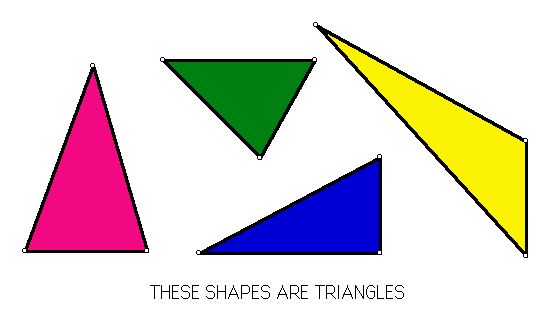
There are many different ways to make triangles. They are different sizes and have different lengths of lines, but they all have three sides. Look at this picture to see the different kinds of triangles.
There are shapes everywhere! Look around your house to find shapes. If you have a camera to use, take a picture when you find a shape. Can you find a square in your house? Can you find a triangle? Can you find a circle? Can you find a rectangle? Can you find an oval? Can you find a diamond? Ask an adult to help you if you’re taking pictures.
In your Green Book there is a shape drawing activity. Practice drawing your shapes. Circle the best one on each line. Be careful and use a pencil.
In your Green Book there is a shape coloring activity. Be sure to follow all of the directions to color the right shapes the right color.
Day 5
In your Green Book there is a count the shape activity. The shapes make a flower in a pot with a little butterfly looking at it. Shapes can make bigger pictures of things. Count how many shapes it took to make the picture. How many circles? How many squares? What other shapes do you see?
Watch this video about a Mouse and a Lion. Notice that the animals and the forest are made out of shapes. What shapes are the trees made out of? What shapes is the lion made out of? What shape is the mouse made out of?
Can your help the purple monster find shapes? Play this game and match up the shapes!
One more activity in your Green Book today! After the graph page, there is a page where you can practice drawing your shapes. Follow the instructions, and use your pencil. Take your time to practice drawing them well. If you need more practice drawing the shapes an adult can help you to print copies of the page to practice with.
Today you will learn to write the number 2. Practice writing the number 2 in your Green Book.
Day 8
Practice writing the number three in your Green Book. Circle your best one.
Day 9
Practice writing the number four in your Green Book. Circle your best one.
Here is a sheep counting game. It’s kind of hard, but fun. See how many sheep you can count. Can you challenge other people to try and count the sheep? Watch out for the sneaky wolves dressed up like sheep, you don’t count those!
Day 10
Practice writing the number five in your Green Book. Circle your best one.
In this weather simulator put the humidity bar up to the top, and slowly adjust the temperature up and down. What happens when the temperature is high? What happens when the temperature is low?
Listen to this song with different temperature words. What were some that you hadn’t heard before?
Look up the temperature where you live today. Write down the temperature on the thermometer and fill it in with red to where the temperature is (the thermometer is in your Yellow Book). Have an adult help show you where the temperature is today.
Listen to the story, “Mr. Gloomingdale’s Downpour”. Summarize.
Listen to this letter sound song.
We will talk more about the weather later in your Yellow Unit. Watch the weather every day, and name what kind of weather it is!