As a homeschooling parent, you may wonder what your Pre-Kindergartener should know to feel confident and prepared as they move forward in their educational journey. Rest assured, at this age, learning is meant to be gentle, joyful, and developmentally appropriate. Pre-Kindergarten is a time to nurture curiosity, build foundational skills, and foster a love of learning.
One of the most important things your Pre-Kindergartener needs is the ability to sit through a story. This means they can listen to a book being read aloud, stay engaged, and have a discussion about the story. This skill sets the stage for language development, comprehension, and critical thinking. It also helps them practice focus and patience—two important traits for the years ahead.
In addition, your child should develop the fine motor skills necessary to accomplish future educational tasks. These include holding a pencil correctly, cutting with scissors, and tracing simple shapes and letters. Activities like drawing, playing with playdough, and stringing beads can help strengthen those tiny muscles in their hands.
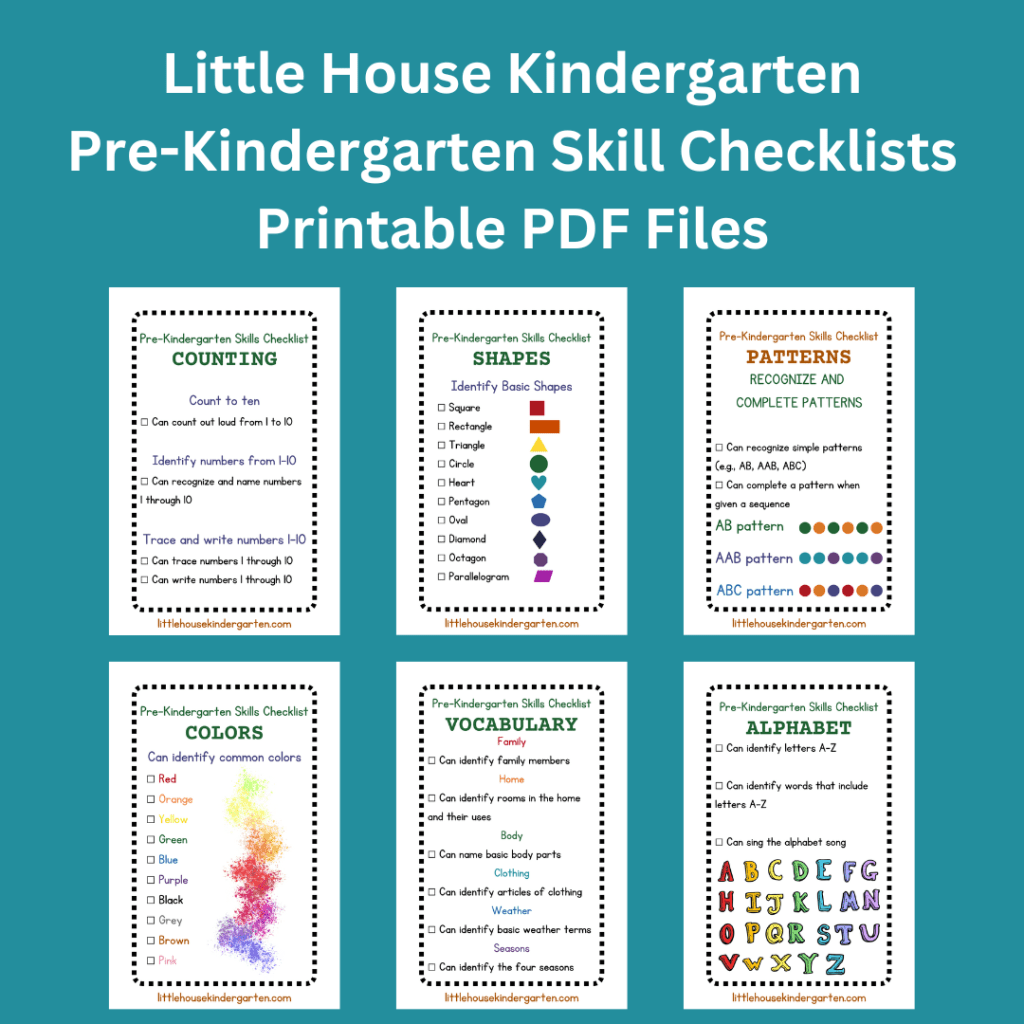
Below is a guide to the key skills your child should master by the end of Pre-Kindergarten. These skills will help them build a strong foundation for future learning.
You can download the Printable PDF Version of the Pre-K Skills Checklists at Gumroad.
Pre-Kindergarten Math Skills
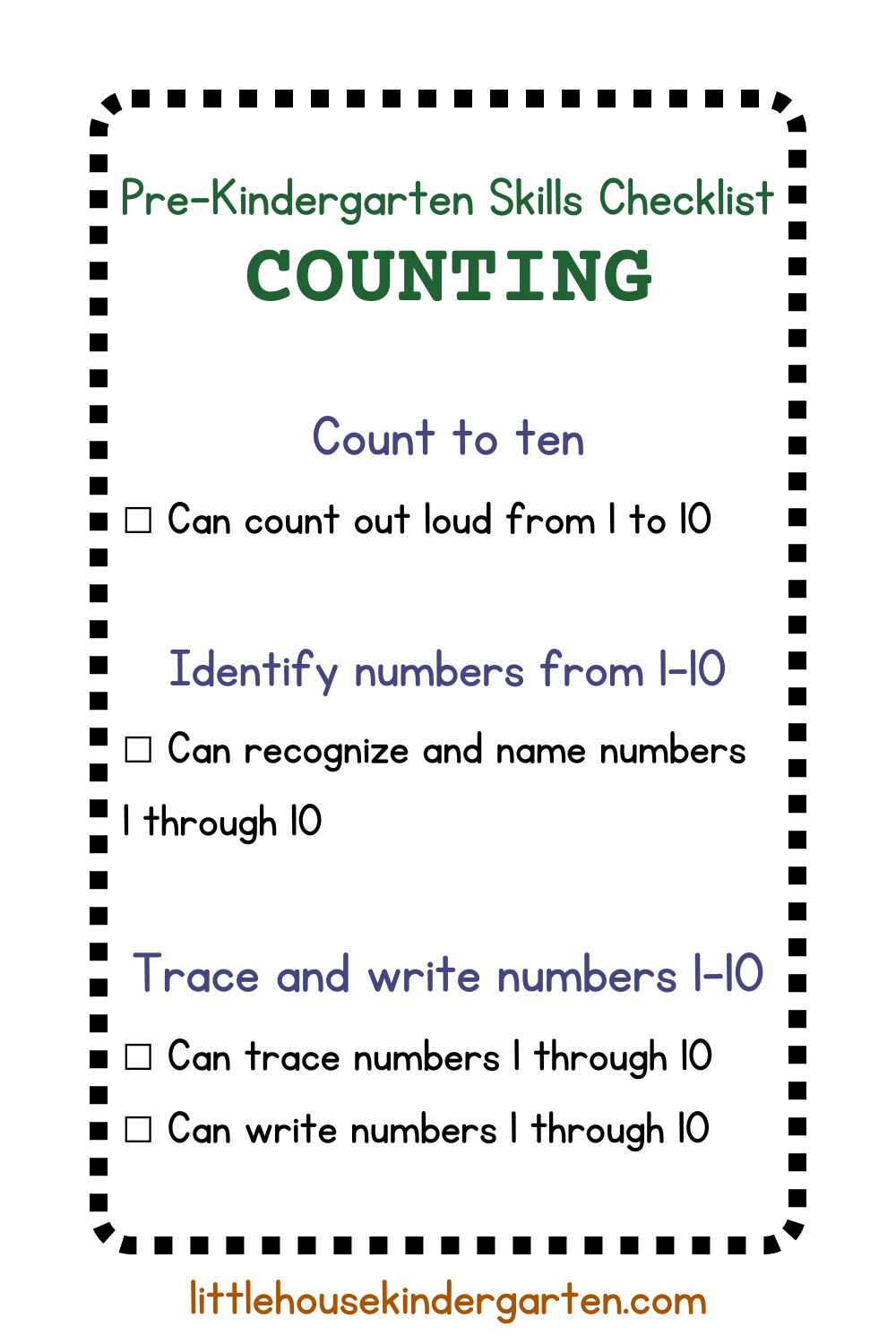
Math in Pre-Kindergarten focuses on simple, hands-on activities that teach basic counting, recognition, and patterning skills. By the end of the year, your child should be able to count out loud from 1 to 10 and recognize and name the numbers 1 through 10 when they see them. They should also practice tracing and writing these numbers, gradually developing the ability to write them on their own.
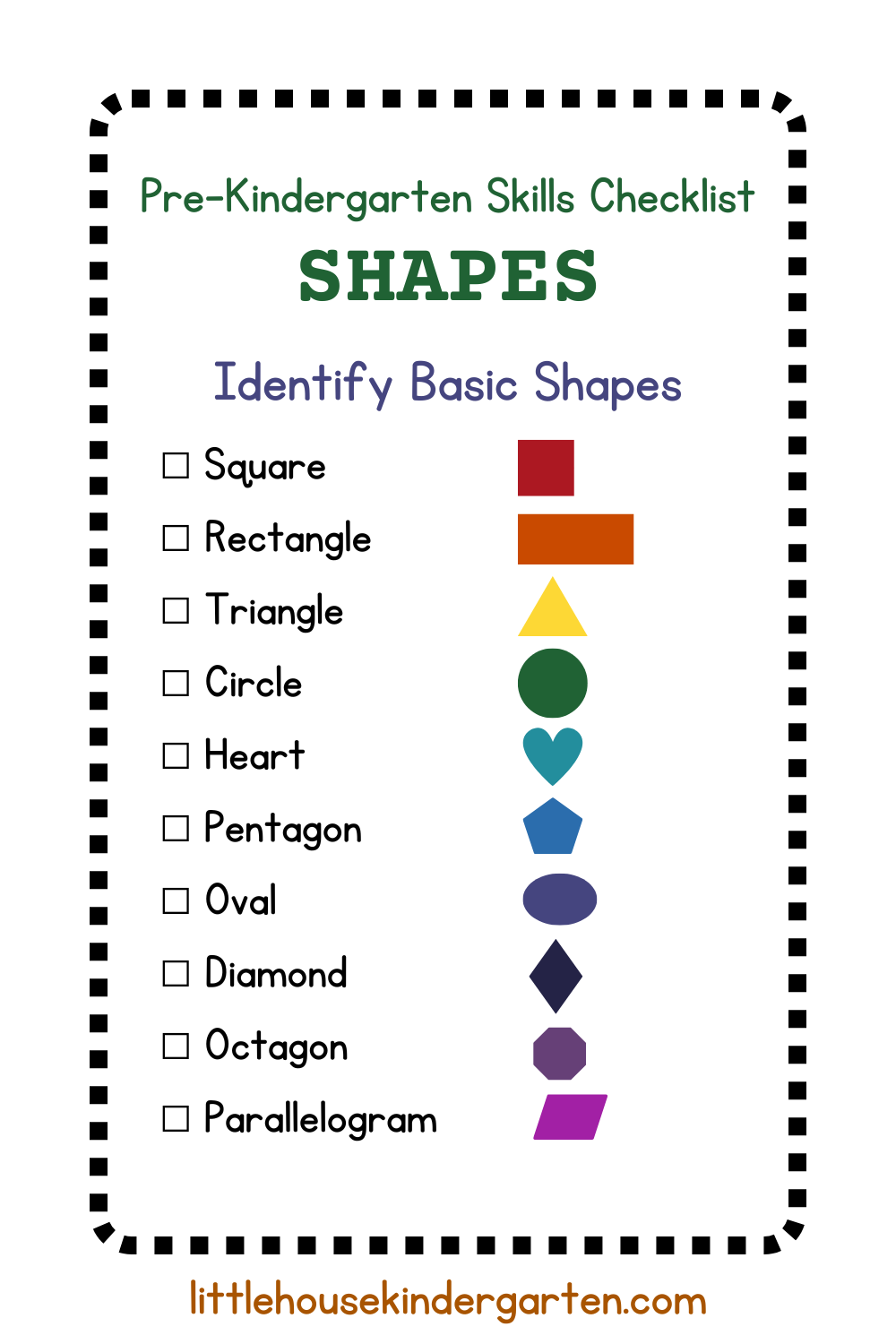
Understanding shapes is another essential skill. Your child should be able to identify common shapes like squares, rectangles, triangles, and circles, as well as less familiar ones like hearts, pentagons, ovals, diamonds, octagons, and parallelograms. Simple shape-sorting games or drawing activities can help reinforce these concepts.
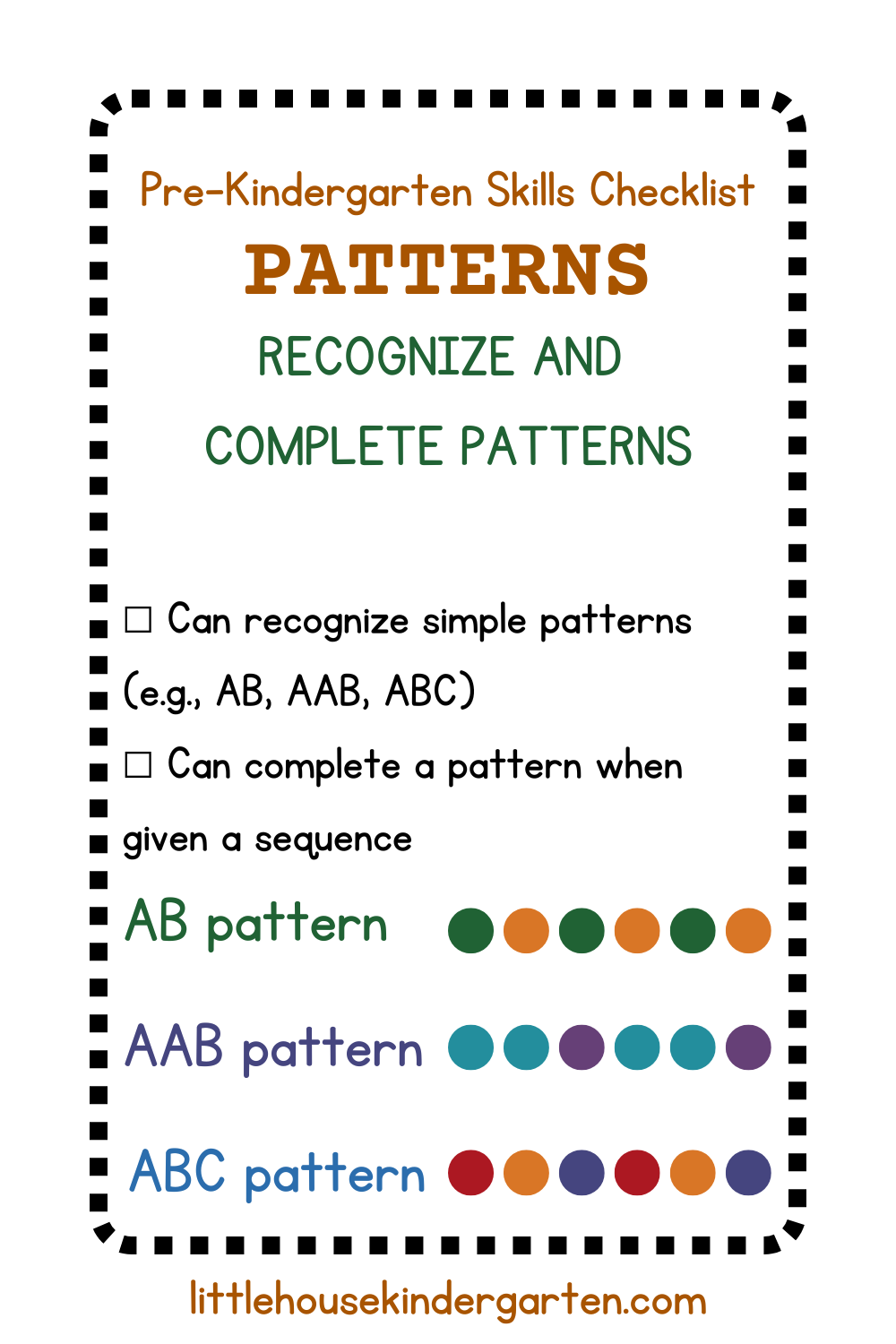
Pattern recognition is another key area. Pre-Kindergarteners should learn to recognize simple patterns such as AB, AAB, or ABC sequences and complete them when given a partial pattern. This skill develops logical thinking and prepares them for more complex math concepts later.
General Knowledge and Awareness
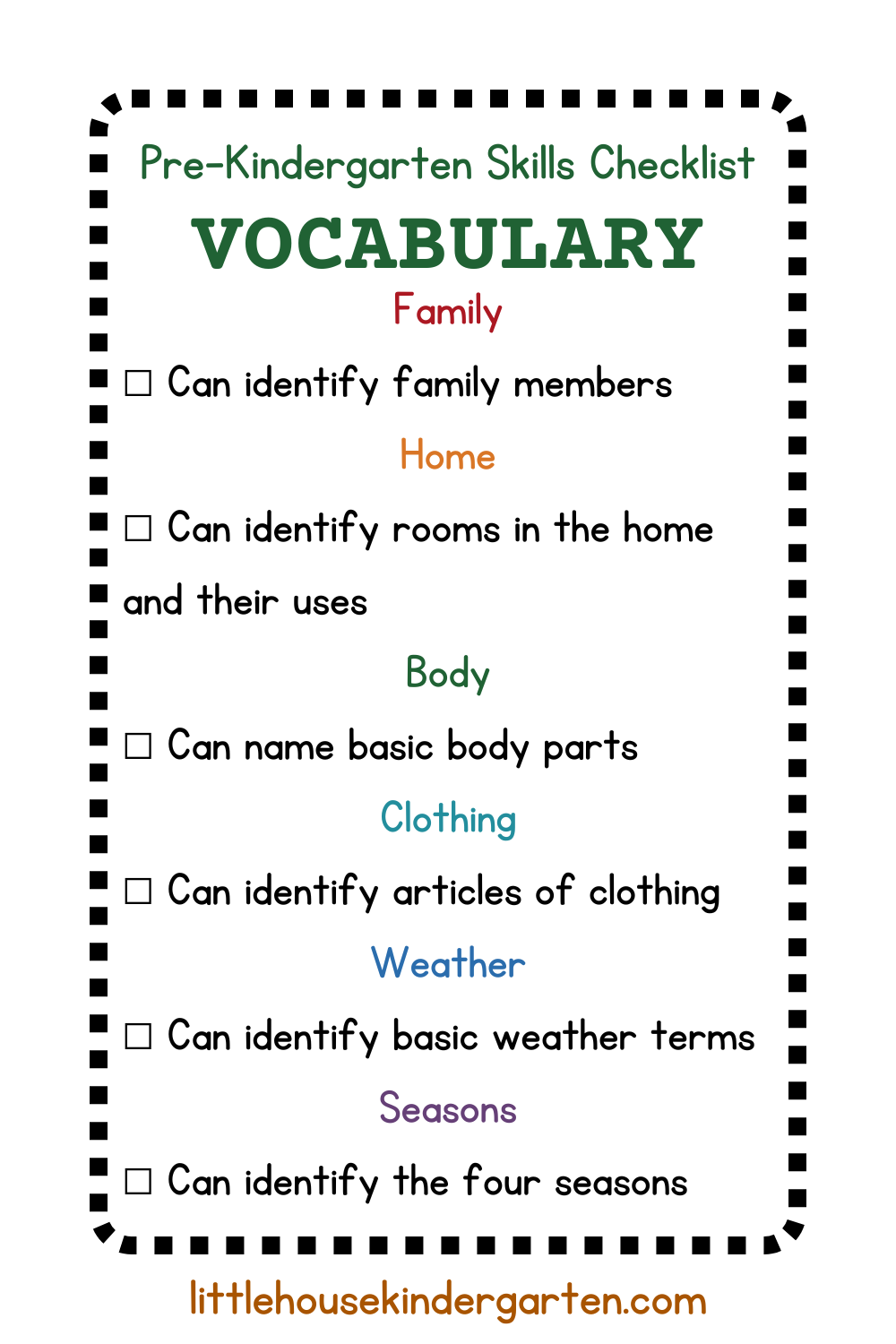
In addition to math skills, your child will benefit from developing general knowledge about their world. For example, they should be able to identify family members, rooms in the home, and the purposes of each room. This can be done through simple conversations or by creating a “house tour” game where your child explains the function of each space.
Your Pre-Kindergartener should also be able to identify basic body parts and common clothing items. Dressing dolls or playing “Simon Says” can help with this skill. Understanding basic weather terms and recognizing the four seasons are also valuable areas of learning. For instance, you might discuss the weather during morning routines or create a seasonal collage to help them visualize the differences between spring, summer, fall, and winter.
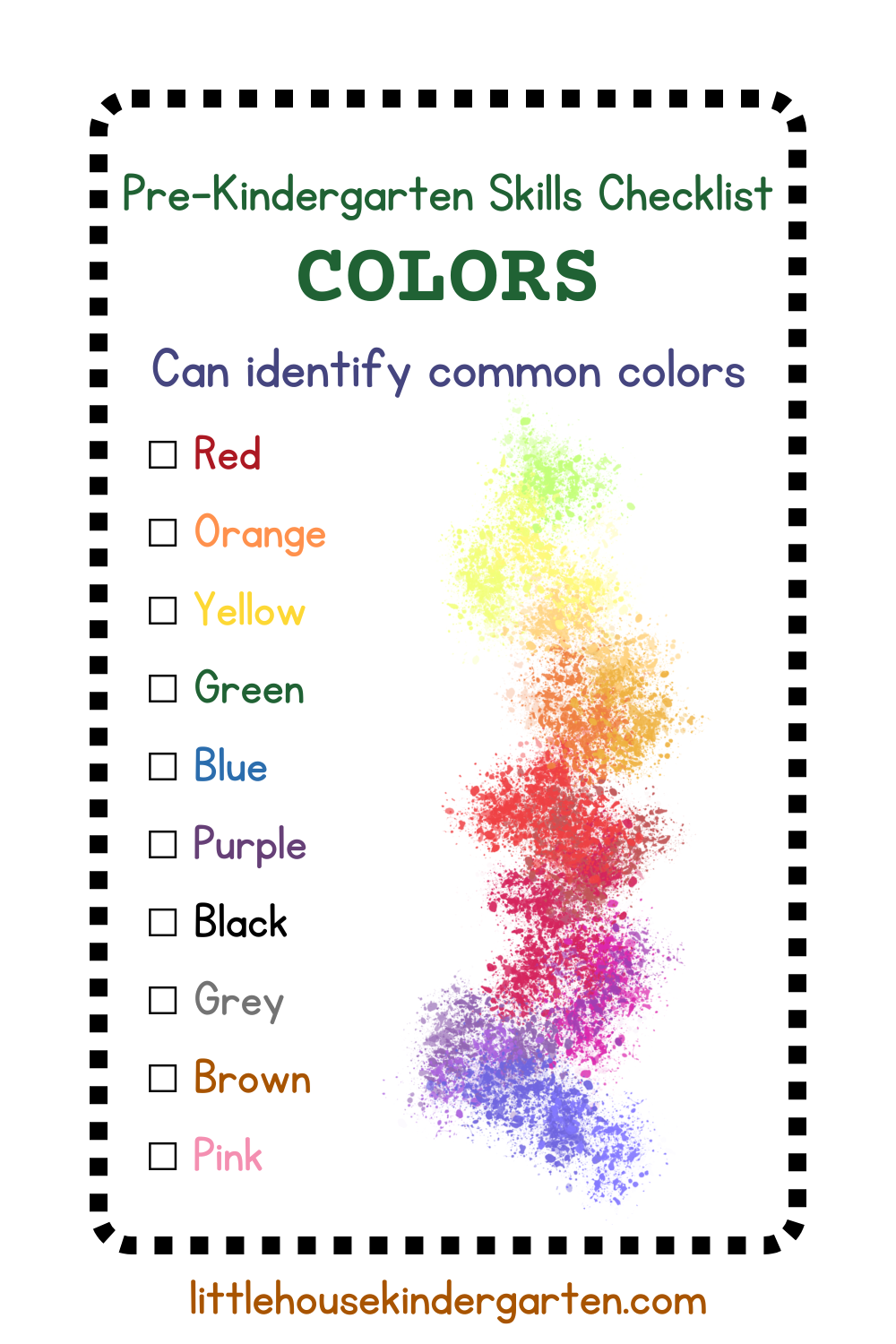
Finally, your child should become familiar with basic colors, including red, orange, yellow, green, blue, purple, black, grey, brown, and pink. Using everyday objects like crayons or toys is a great way to make learning colors engaging and interactive.
Alphabet and Language Skills
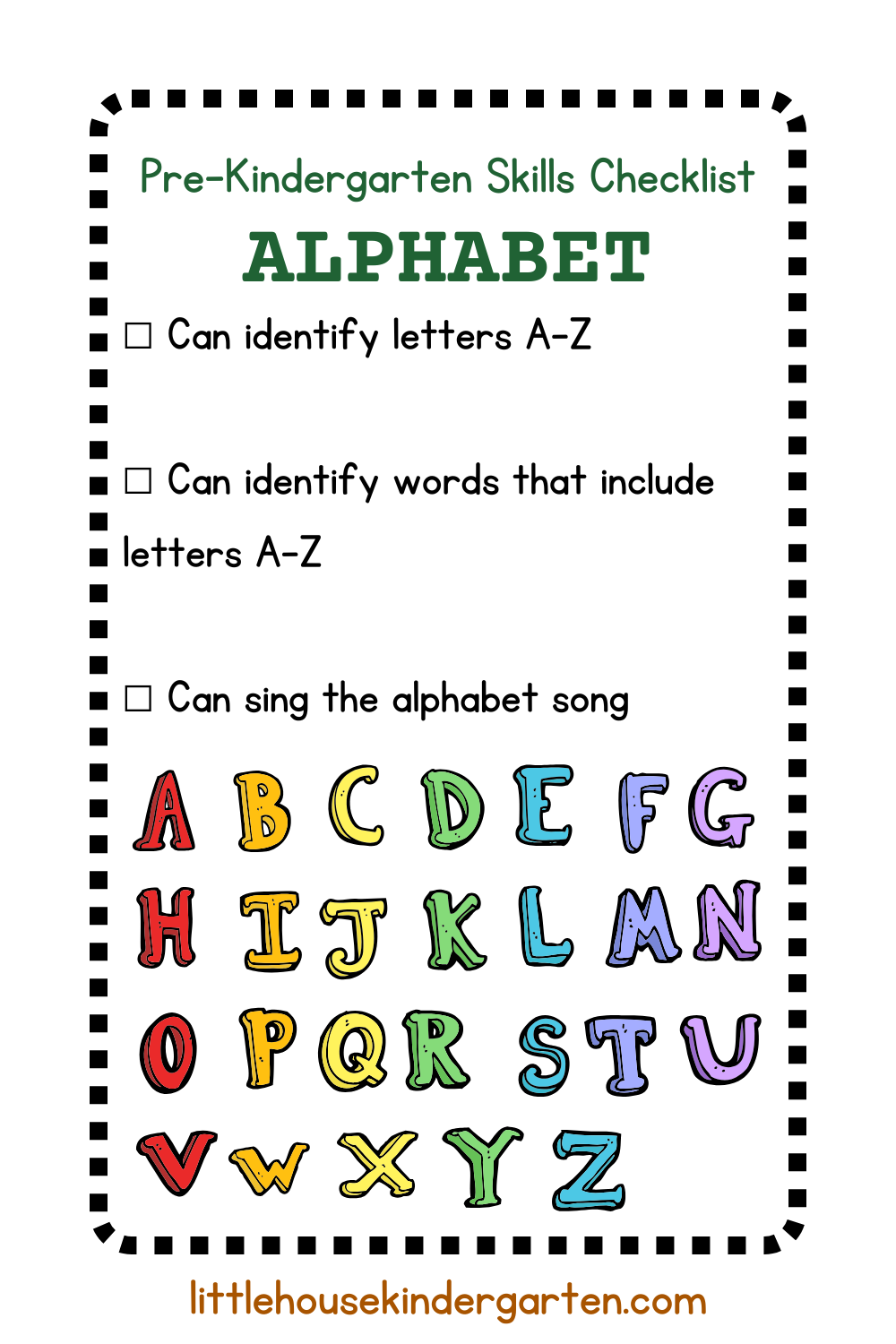
The alphabet is a big milestone in Pre-Kindergarten. By the end of the year, your child should be able to identify all the letters from A to Z and recognize simple words that include these letters. Singing the alphabet song is a classic and effective way to reinforce this skill. You can also introduce letter-matching games or practice tracing letters to build familiarity.
To support early literacy, focus on helping your child enjoy books and stories. Reading aloud daily is crucial. Encourage your child to retell stories in their own words or answer simple questions about what they heard. This strengthens comprehension and prepares them for more structured learning in the future.
A Gentle Reminder
Your Pre-Kindergartener is unique and will progress at their own pace. These milestones are meant to guide you, not stress you. If your child is not meeting a particular milestone yet, use it as an opportunity to gently work on that skill through fun and engaging activities. Remember, your encouragement and enthusiasm are the most important tools in their learning journey. You’ve got this!
You can download the Printable PDF Version of the Pre-K Skills Checklists at Gumroad.

